From island trading post to vertical city
As you travel, you’ll pass streets where commerce, immigration and invention reshaped the island into the New York we know today.
Obsah
Early settlement & the trading port
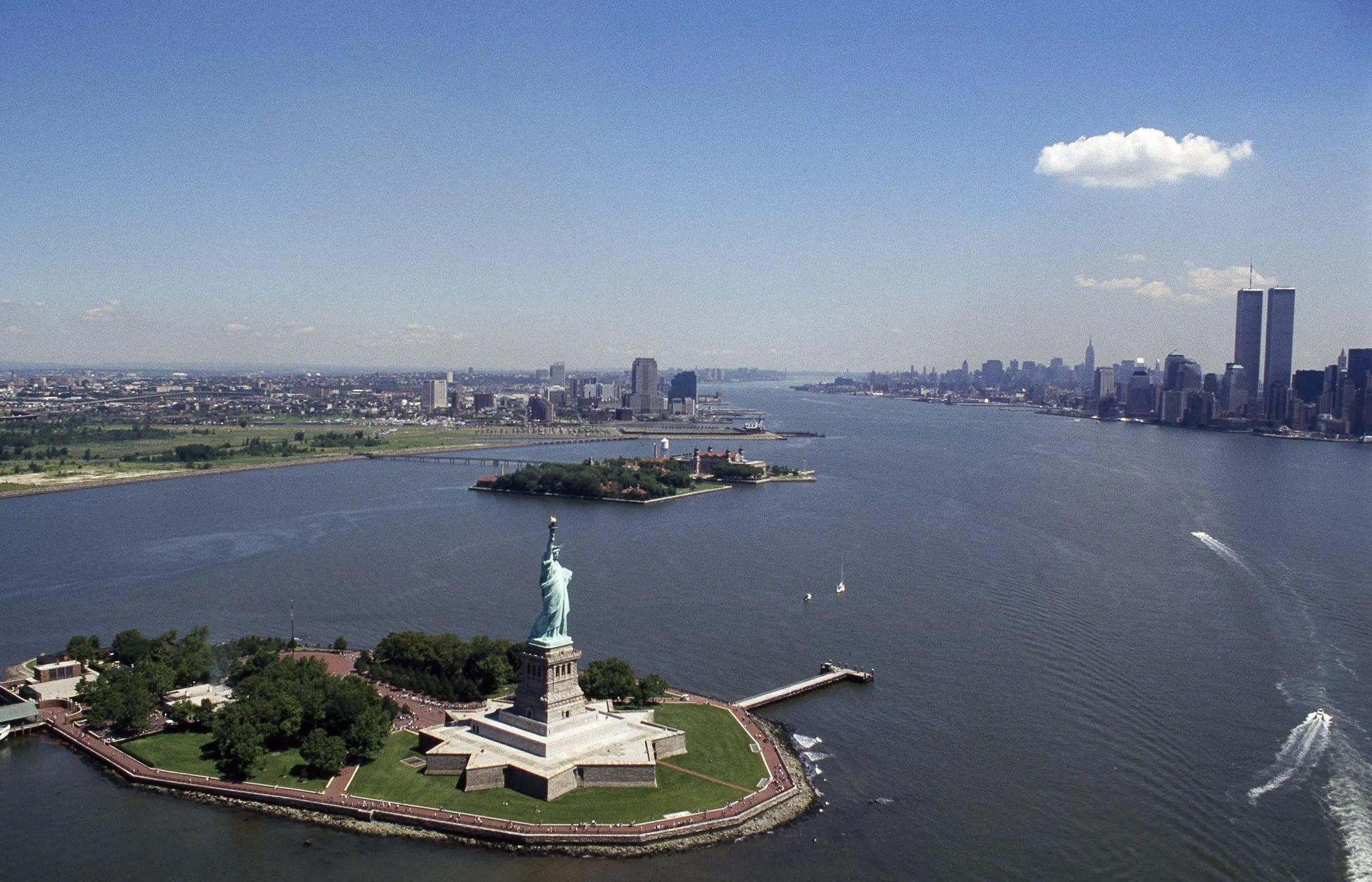
Long before the skyline pierced the sky, Manhattan was a place of rivers, marshes and native settlements. Dutch traders arrived in the early 17th century and established New Amsterdam at the southern tip of the island, a busy trading post built on maritime connections. The grid, the waterfront piers and the pattern of streets all carry echoes of trade routes and the practical needs of a growing port.
As the city grew, fortunes were made and remade on these wharves — shipping, finance and industry would carve the island into discrete neighborhoods, each with its own flavor. Even today, walking from Battery Park north into the narrow streets of Lower Manhattan feels like a passage through layers of mercantile history.
The rise of Broadway & skyscrapers
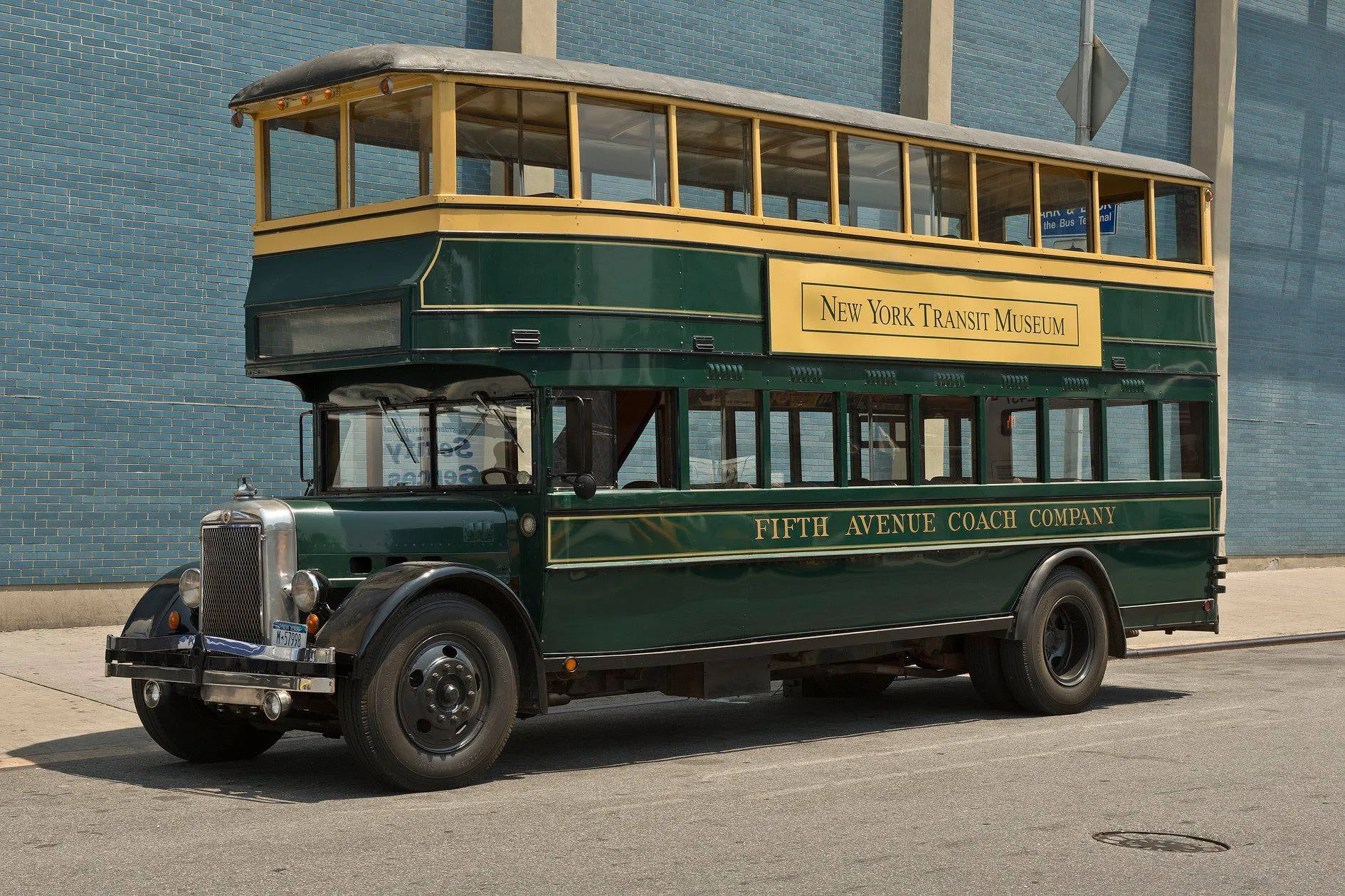
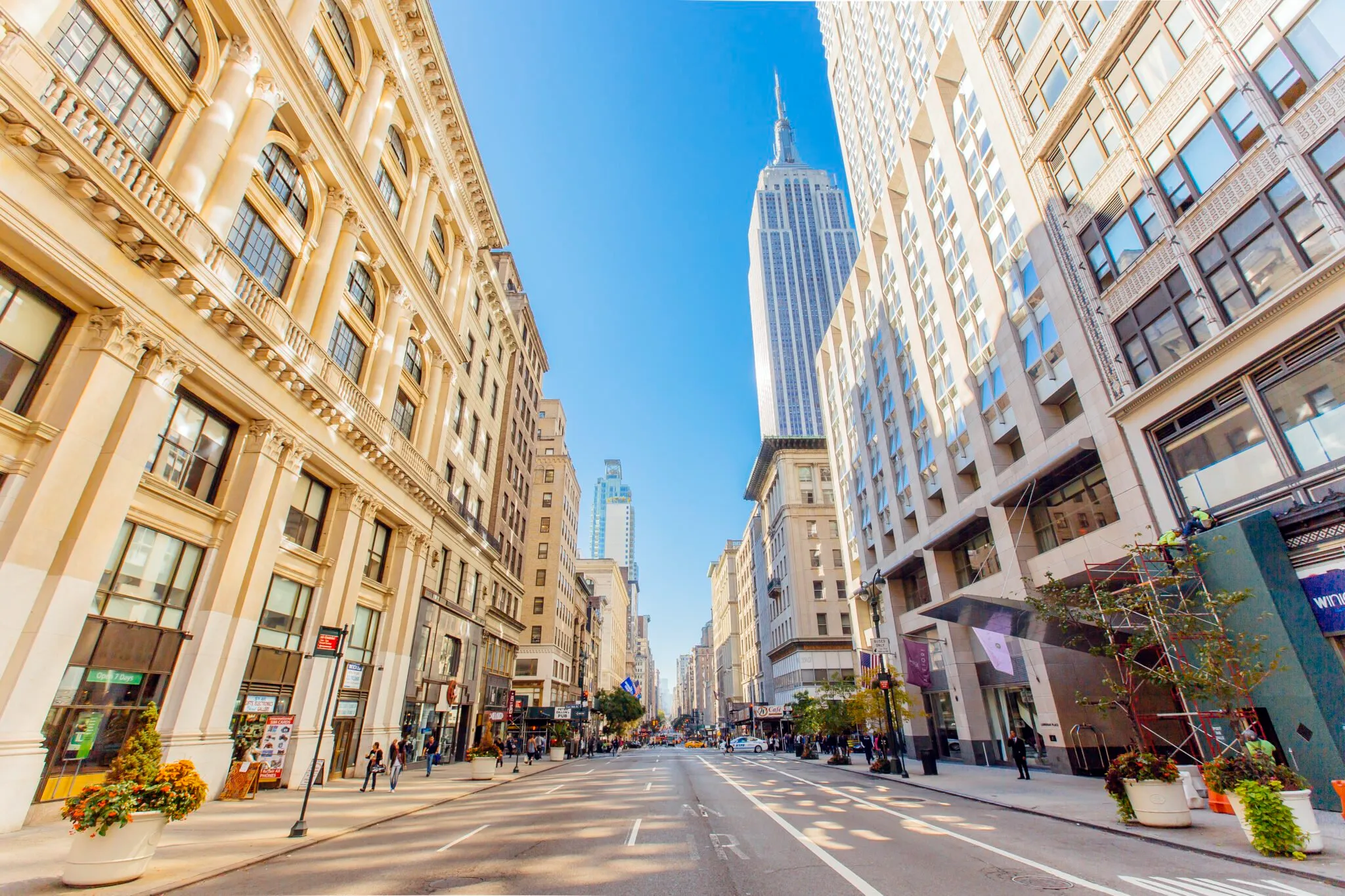
Broadway evolved from a simple colonial road into the beating heart of American theatre and entertainment. By the late 19th and early 20th centuries, advances in steel construction and elevators produced the first skyscrapers, transforming what was once a modest skyline into a vertical city. The Empire State Building and Chrysler Building stand as icons of that age, monuments to ambition and engineering.
From your bus seat you can see how architecture tells an economic story — older masonry buildings neighbor modern glass towers, and each block is a chapter in the city’s continual reinvention. Theatre marquees, neon signs and the rush of the crowds remind you that New York’s public life has always been loud, creative and fast moving.
Immigrants, neighborhoods & markets
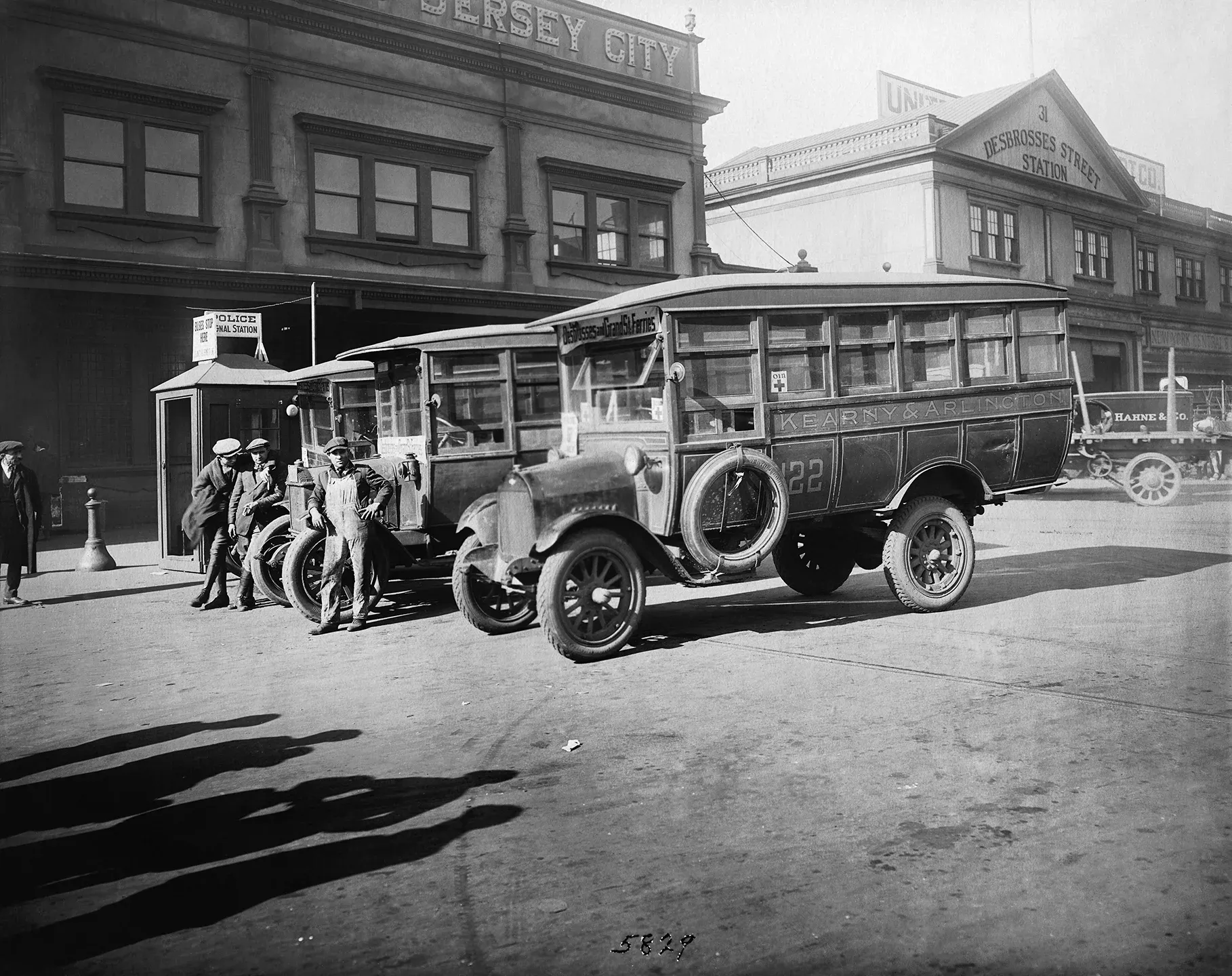
Waves of immigration shaped the city’s neighborhoods: Little Italy, Chinatown, the Lower East Side and beyond became ethnic enclaves where languages, cuisines and trades intermingled. The markets, bakeries and small shops still carry traces of those stories, visible from the bus when you slow near a market street or a bustling deli.
These neighborhoods were not just places to live; they were engines of cultural exchange. The hop‑on hop‑off route gives you the opportunity to step off and taste those histories — a deli sandwich, a festival, or a museum tucked into a small street — all part of New York’s living archive.
Bridges, ferries & the shaping of the waterfront
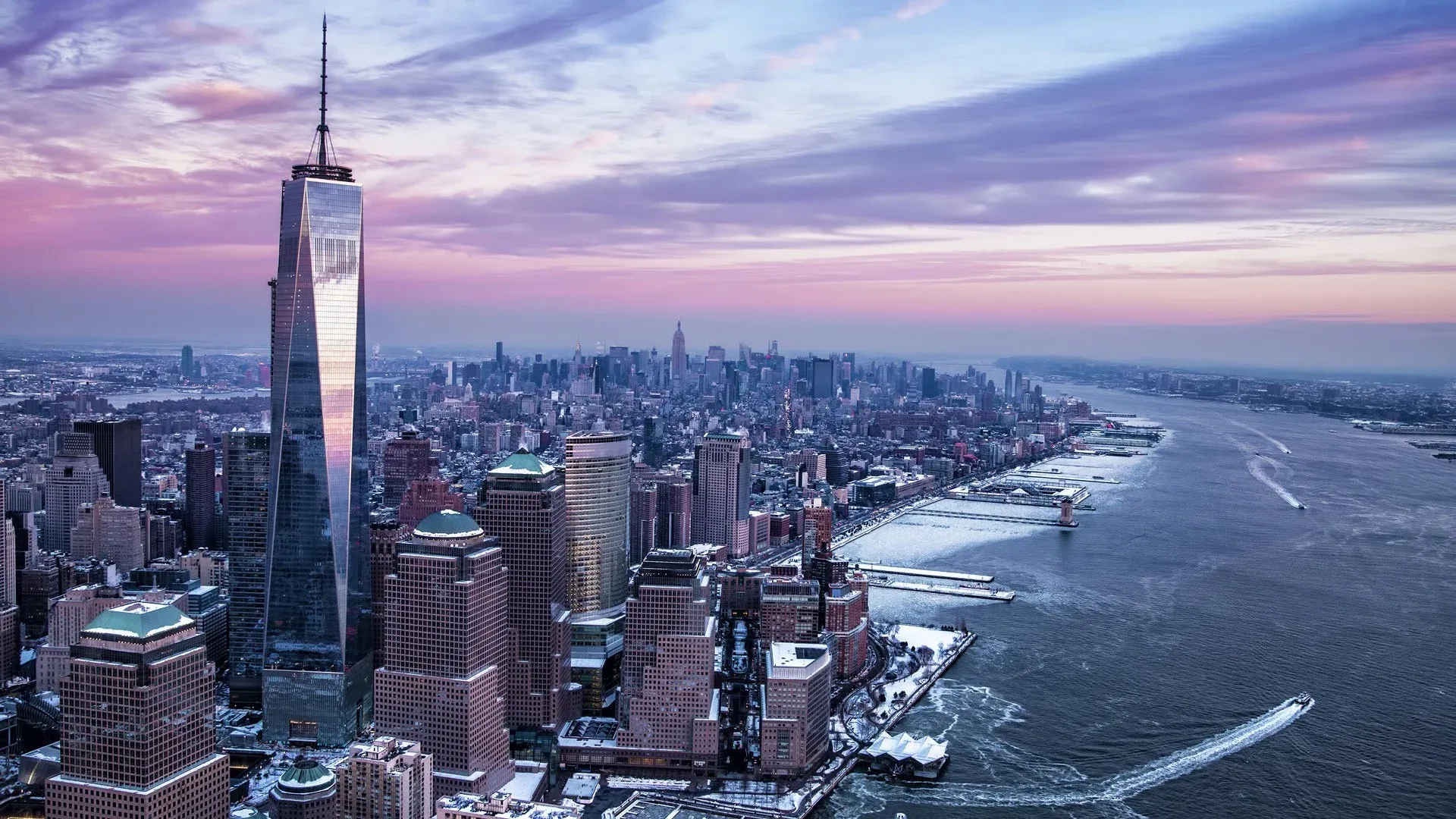
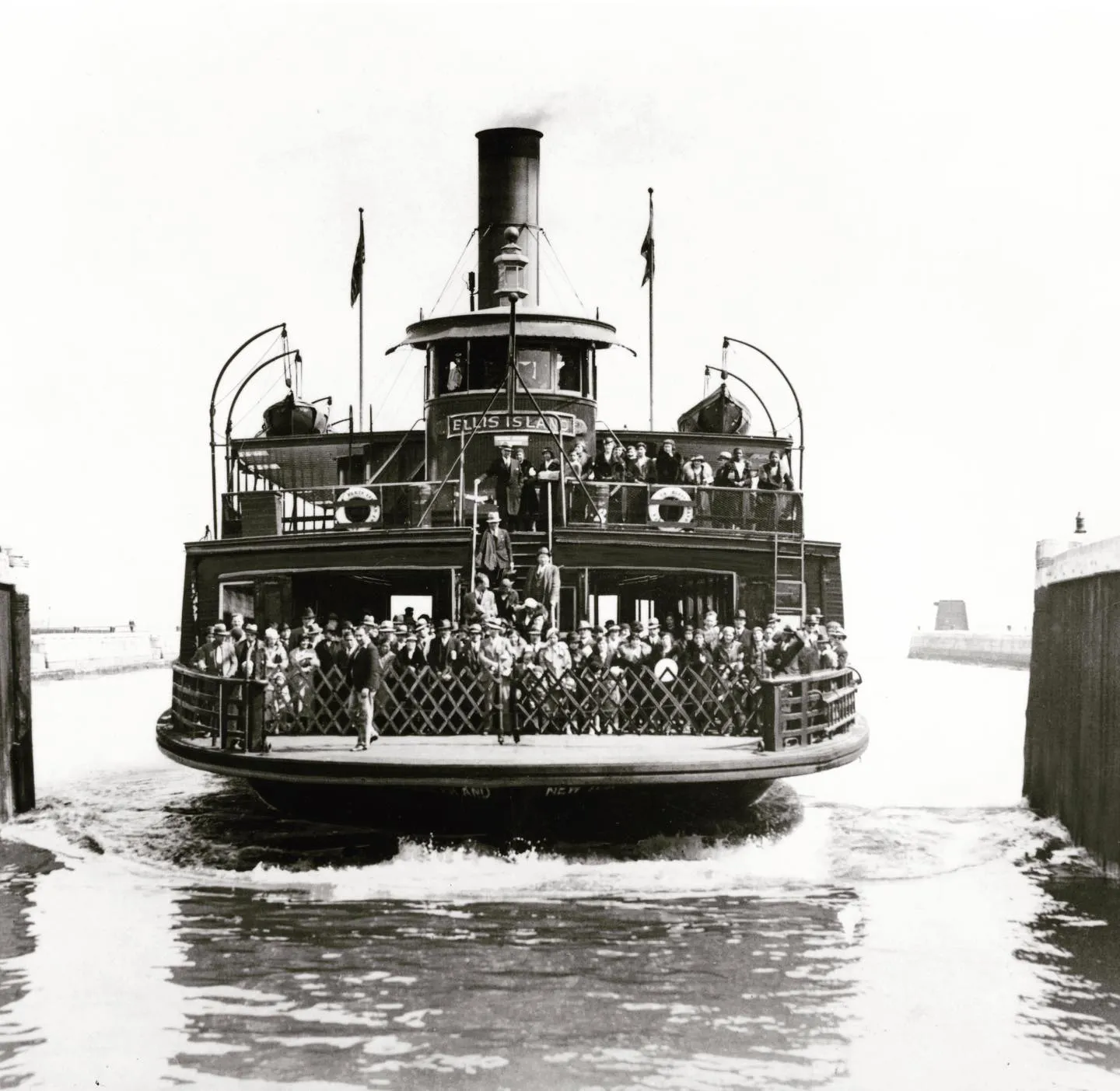
Bridges stitched Manhattan to Brooklyn and forged the metropolitan region we recognize today. The Brooklyn Bridge, an engineering marvel of its time, remains a symbol of connection and possibility. Ferries and later tunnels carried people and ideas across the rivers, enabling the city to expand and specialize.
From the water or the top deck, waterfronts show the city’s layers — old piers turned into parks, warehouses transformed into galleries and apartments. These waterfronts are living spaces where industry, recreation and history meet.
Parks, public spaces & modern civic life
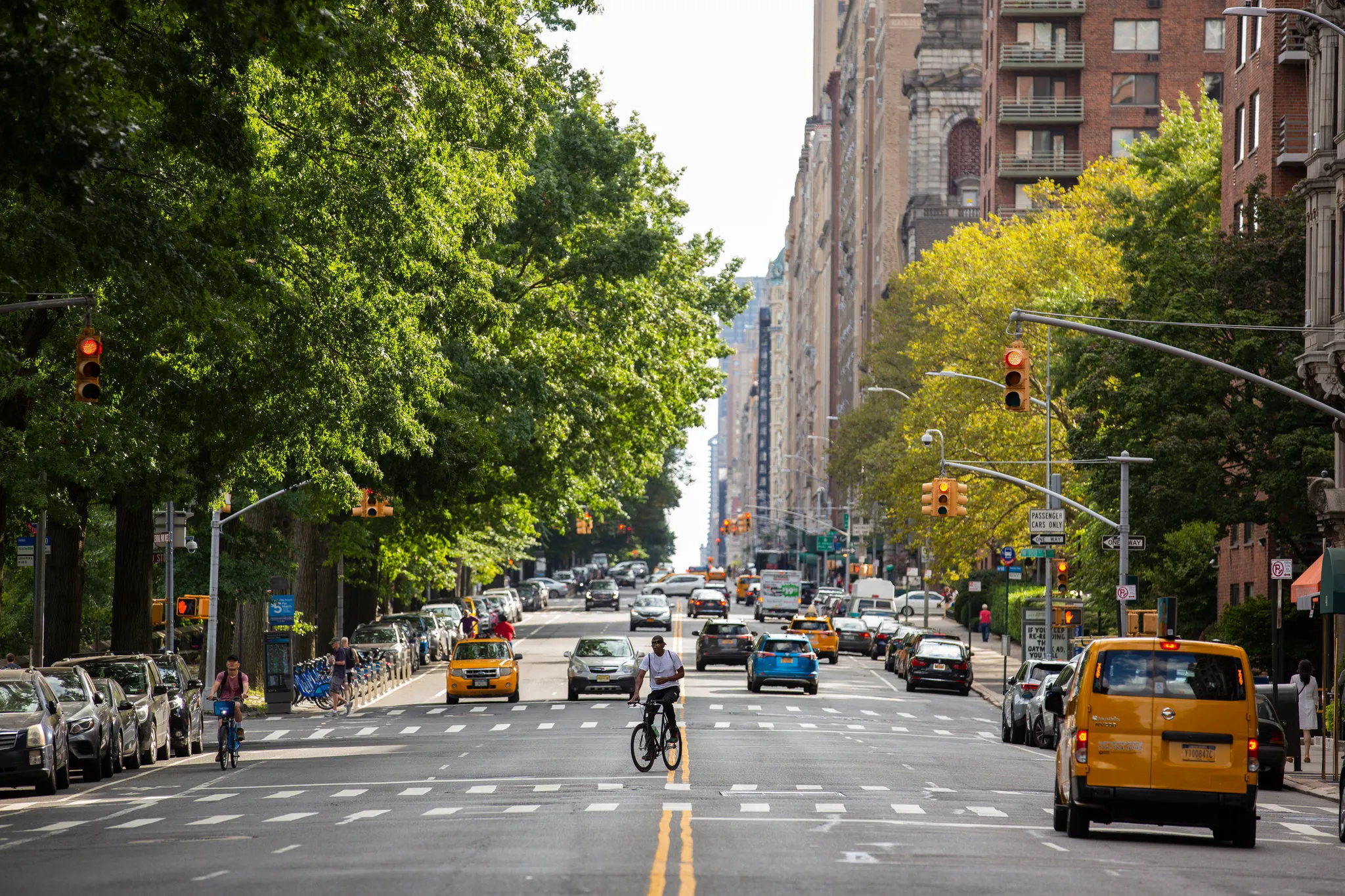
Central Park, planned in the 19th century, is New York’s green lung and a democratic space for people from every walk of life. Parks, squares and civic buildings reflect the city’s public face: places to protest, celebrate and rest amid the urban rush.
Your bus route threads past these civic spaces, offering a quick way to hop off for a picnic in the park or a quiet walk between monuments and museums that house the city’s cultural treasures.
Brooklyn’s renaissance & the creative borough
Brooklyn has transformed from industrial roots into a global creative hub. Neighborhoods like DUMBO, Williamsburg and Brooklyn Heights mix art studios, startups and revived waterfronts, attracting visitors with their markets, galleries and skyline vistas.
Hop off in Brooklyn to sample local coffee, browse independent boutiques, and take in views of Manhattan that are different from those on the island — quieter, often more intimate and endlessly photogenic.
Transport, tunnels & the subway age
New York’s transport network — subways, buses, ferries and taxis — made the city walkable across great distances. The subway opened new patterns of commuting and urban life; your hop‑on hop‑off bus complements these networks, letting you stitch together points that the subway may not serve directly.
Understanding how the transit lines intersect with your bus route helps you plan efficient days: combine a bus loop with a short subway ride to multiply what you can see in a day.
Crowds, safety & accessibility
New York is energetic and sometimes crowded — keep belongings secure, watch for cyclists and traffic when boarding or stepping off, and follow staff instructions at busy stops. The hop‑on hop‑off buses are designed for tourists and aim to be as safe and user‑friendly as possible.
Accessibility has improved across transit and tour fleets, but it varies. If you need step‑free boarding or specific assistance, check operator details and arrive a little earlier to make arrangements.
Cultural festivals & city rituals
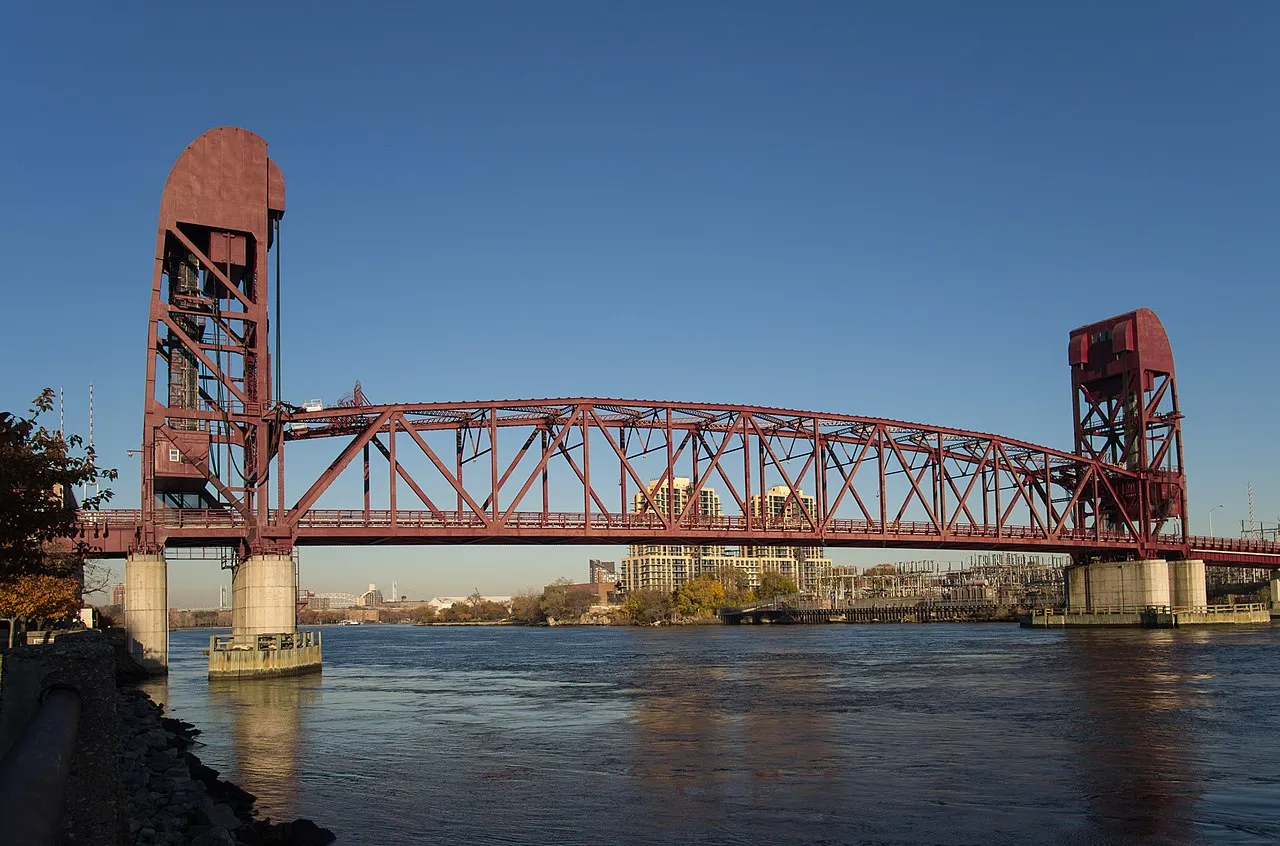
The city calendar is packed — parades, street fairs, cultural festivals and open‑air concerts punctuate the year. These events can add colour to your ride but may also reroute buses or slow traffic; they’re worth checking out if you prefer lively streetscapes.
Even small rituals — late‑night pizza runs, markets opening at dawn, morning runners in the park — make New York feel like a place in motion. Hop off and join one of these moments for a memorable local experience.
Tickets, passes & practical planning
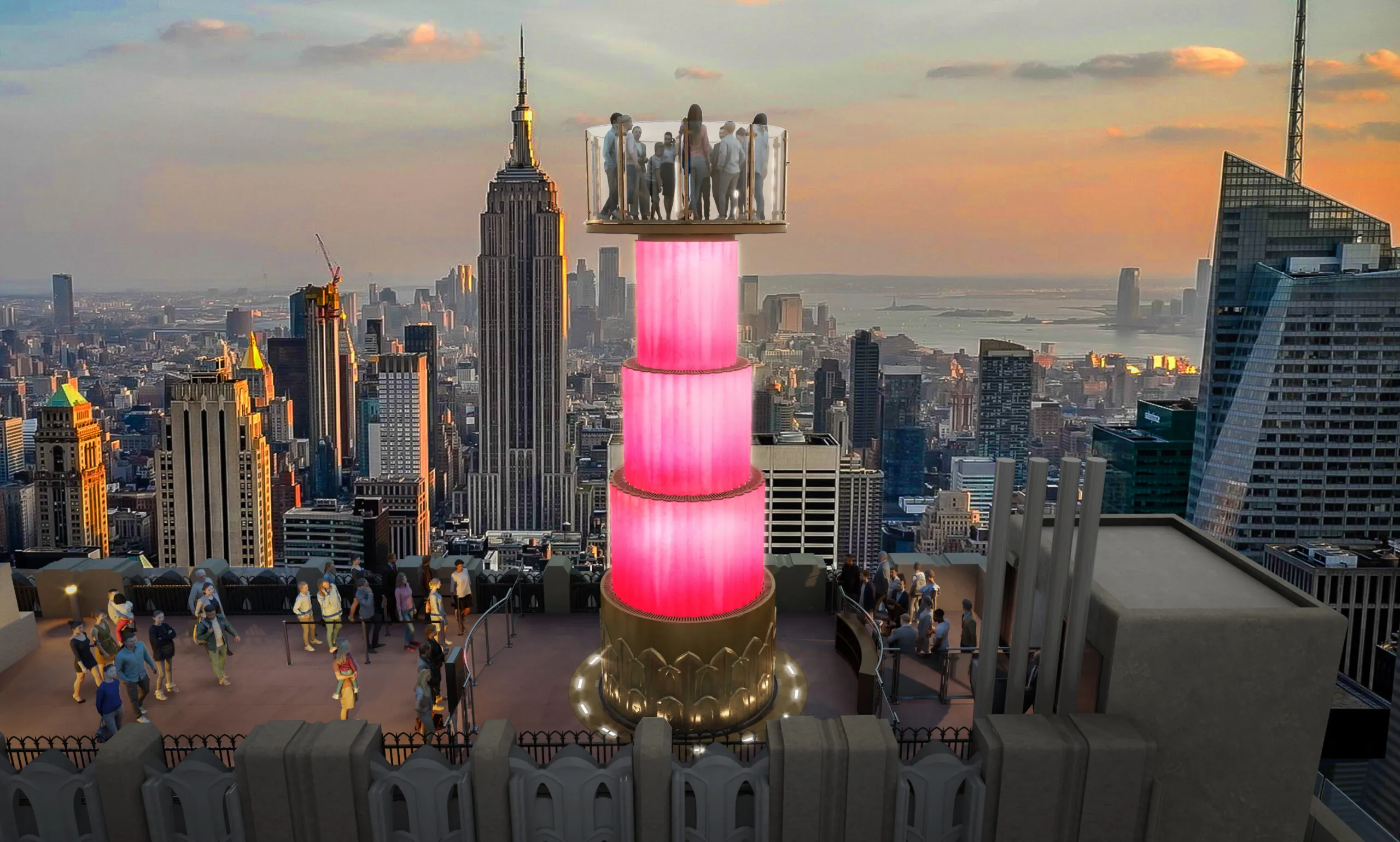
With multiple operators and ticket formats, a little planning goes a long way. Decide whether you want a fast overview with a short pass or deeper exploration with a multi‑day option and added cruises or walking tours.
If time is limited, a 24‑hour pass concentrates the essentials. With more time, a longer pass or a combo with museum entries lets you explore neighbourhoods at leisure.
Preserving history amid reinvention
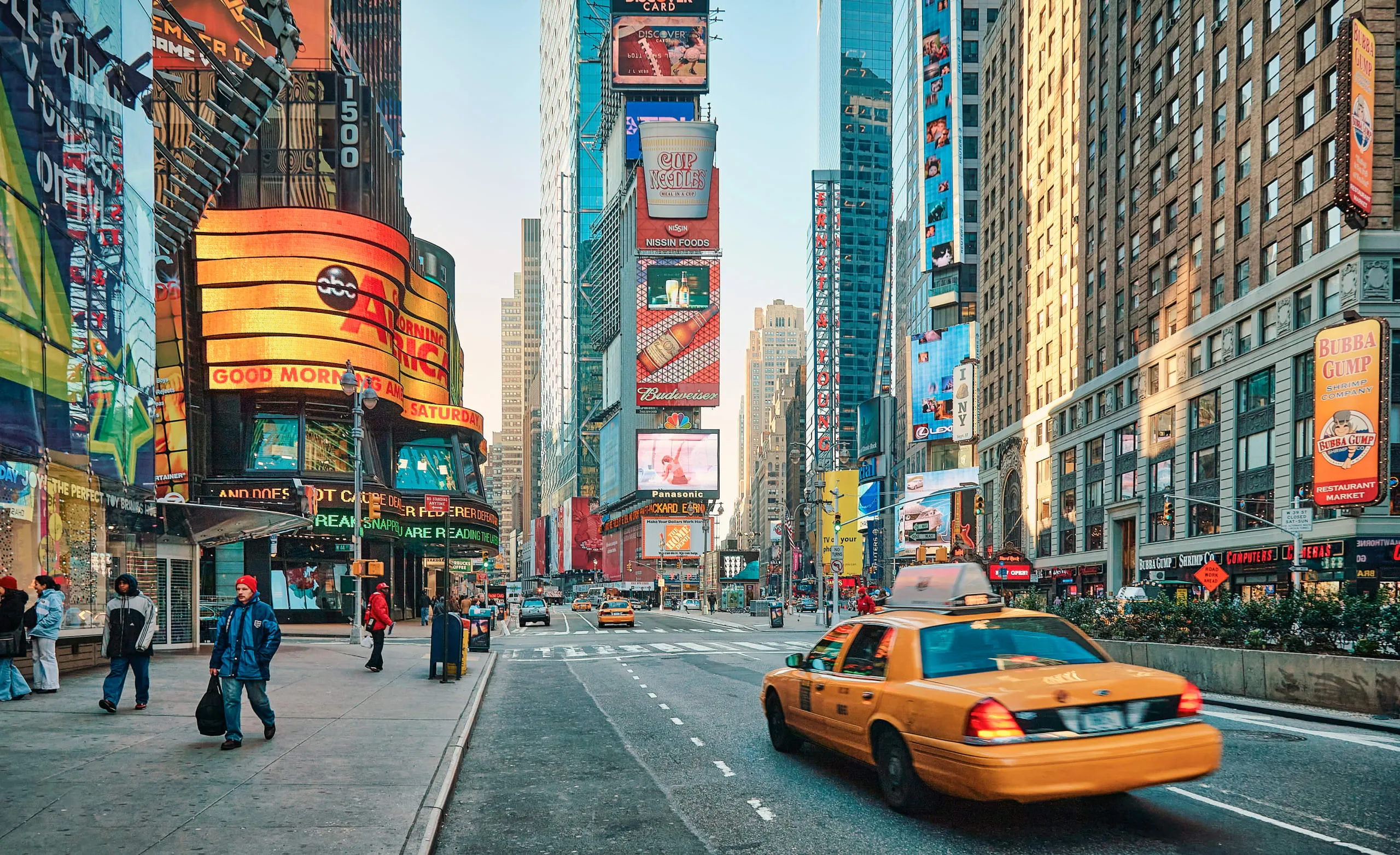
New York continually reinvents itself while preserving important landmarks. Restoration projects, adaptive reuse of warehouses, and conservation of historic districts keep the city’s past visible amid new development.
By choosing responsible sightseeing options and supporting official sites, visitors help maintain the balance between tourism and conservation in busy neighbourhoods.
Side trips & harbour views
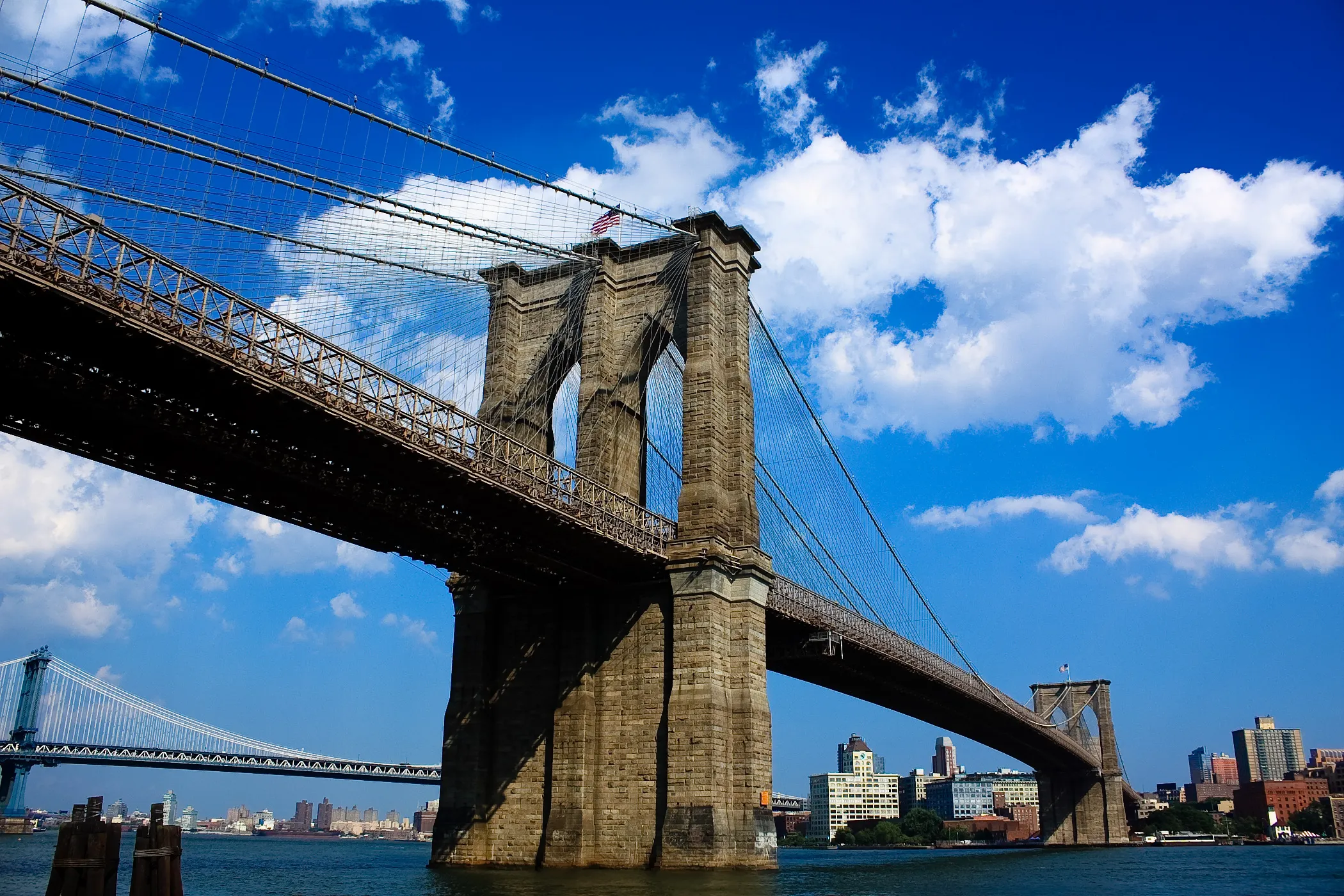
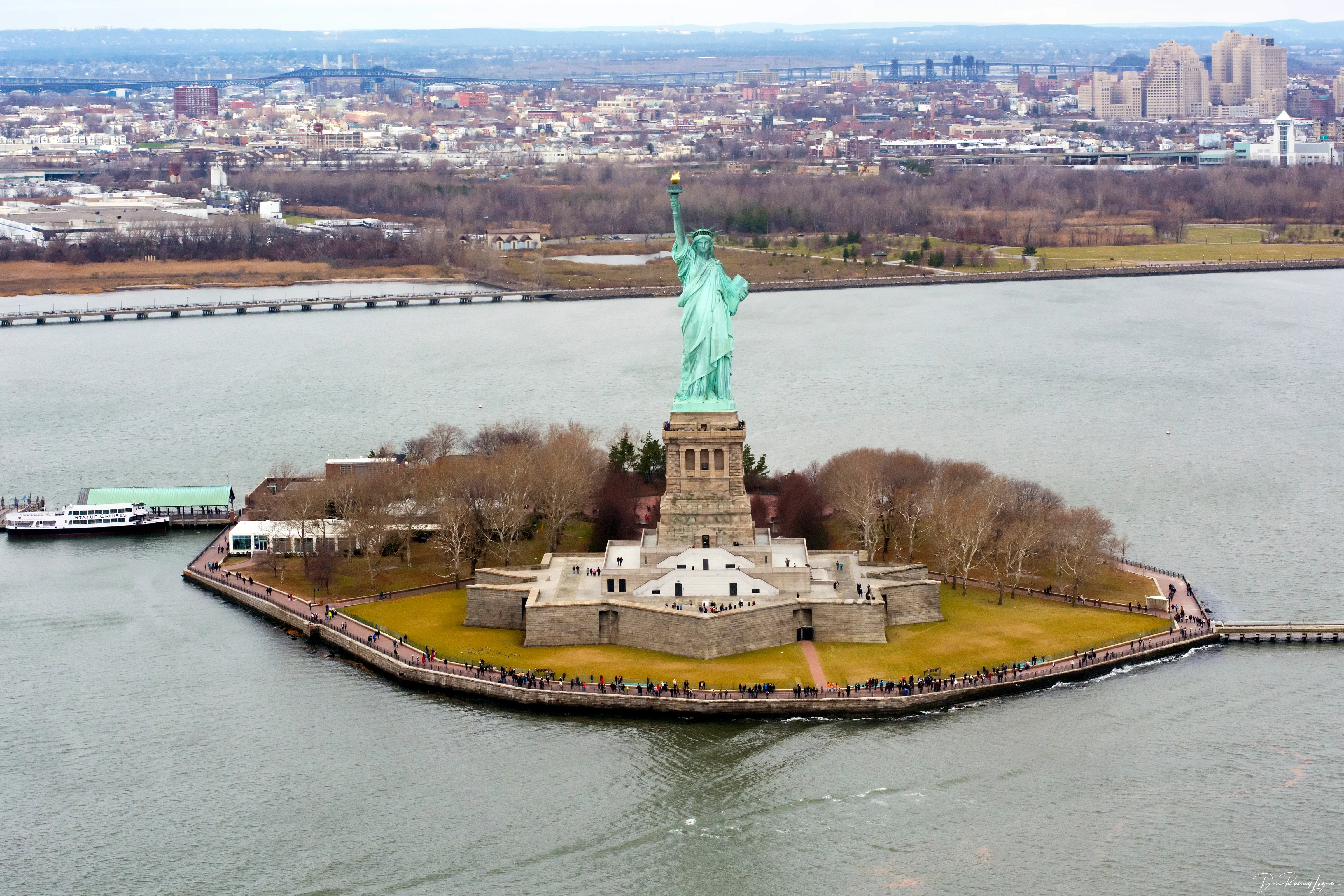
Use the hop‑on hop‑off bus as a springboard: ferries to Governors Island, the Statue of Liberty, short subway rides to the museums, or a walk across the Brooklyn Bridge are all easy additions to a bus day.
Sunset cruises or evening strolls along the waterfront often reveal a different, quieter New York as the skyline lights up — an excellent way to end a day of hopping on and off.
Why a bus ride reveals New York
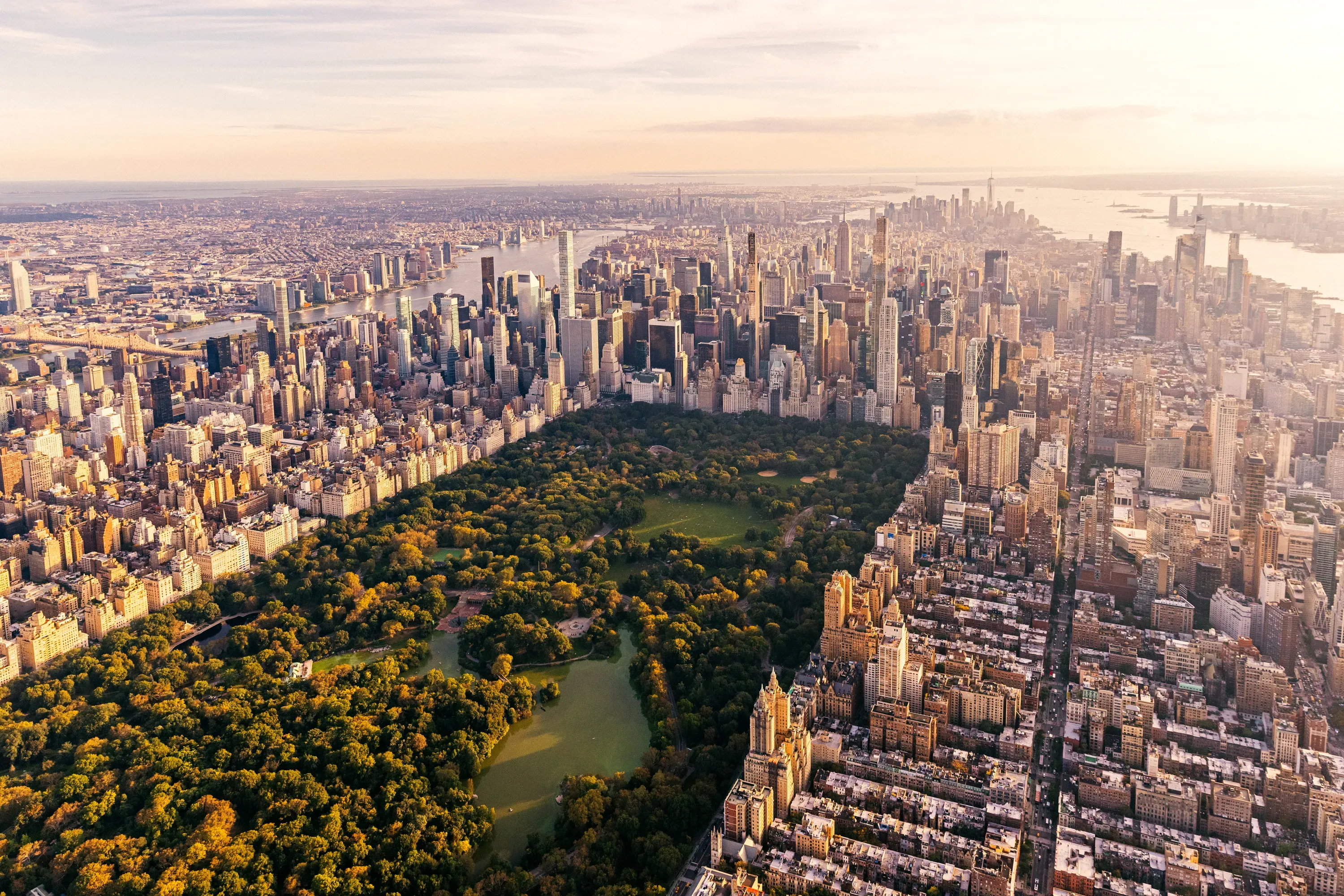
A hop‑on hop‑off bus is a practical tool and a storyteller: within a few routes you’ll see how economic waves, migration, and urban design shaped Manhattan and beyond. The changing view from the top deck stitches together skyline gestures, neighbourhood rhythms and waterfront life.
By the end of your loop, the city will feel less like a scatter of famous names and more like a connected whole — a place where the next corner holds a different story, and the bus helps you find them.
Obsah
Early settlement & the trading port
Long before the skyline pierced the sky, Manhattan was a place of rivers, marshes and native settlements. Dutch traders arrived in the early 17th century and established New Amsterdam at the southern tip of the island, a busy trading post built on maritime connections. The grid, the waterfront piers and the pattern of streets all carry echoes of trade routes and the practical needs of a growing port.
As the city grew, fortunes were made and remade on these wharves — shipping, finance and industry would carve the island into discrete neighborhoods, each with its own flavor. Even today, walking from Battery Park north into the narrow streets of Lower Manhattan feels like a passage through layers of mercantile history.
The rise of Broadway & skyscrapers
Broadway evolved from a simple colonial road into the beating heart of American theatre and entertainment. By the late 19th and early 20th centuries, advances in steel construction and elevators produced the first skyscrapers, transforming what was once a modest skyline into a vertical city. The Empire State Building and Chrysler Building stand as icons of that age, monuments to ambition and engineering.
From your bus seat you can see how architecture tells an economic story — older masonry buildings neighbor modern glass towers, and each block is a chapter in the city’s continual reinvention. Theatre marquees, neon signs and the rush of the crowds remind you that New York’s public life has always been loud, creative and fast moving.
Immigrants, neighborhoods & markets
Waves of immigration shaped the city’s neighborhoods: Little Italy, Chinatown, the Lower East Side and beyond became ethnic enclaves where languages, cuisines and trades intermingled. The markets, bakeries and small shops still carry traces of those stories, visible from the bus when you slow near a market street or a bustling deli.
These neighborhoods were not just places to live; they were engines of cultural exchange. The hop‑on hop‑off route gives you the opportunity to step off and taste those histories — a deli sandwich, a festival, or a museum tucked into a small street — all part of New York’s living archive.
Bridges, ferries & the shaping of the waterfront
Bridges stitched Manhattan to Brooklyn and forged the metropolitan region we recognize today. The Brooklyn Bridge, an engineering marvel of its time, remains a symbol of connection and possibility. Ferries and later tunnels carried people and ideas across the rivers, enabling the city to expand and specialize.
From the water or the top deck, waterfronts show the city’s layers — old piers turned into parks, warehouses transformed into galleries and apartments. These waterfronts are living spaces where industry, recreation and history meet.
Parks, public spaces & modern civic life
Central Park, planned in the 19th century, is New York’s green lung and a democratic space for people from every walk of life. Parks, squares and civic buildings reflect the city’s public face: places to protest, celebrate and rest amid the urban rush.
Your bus route threads past these civic spaces, offering a quick way to hop off for a picnic in the park or a quiet walk between monuments and museums that house the city’s cultural treasures.
Brooklyn’s renaissance & the creative borough
Brooklyn has transformed from industrial roots into a global creative hub. Neighborhoods like DUMBO, Williamsburg and Brooklyn Heights mix art studios, startups and revived waterfronts, attracting visitors with their markets, galleries and skyline vistas.
Hop off in Brooklyn to sample local coffee, browse independent boutiques, and take in views of Manhattan that are different from those on the island — quieter, often more intimate and endlessly photogenic.
Transport, tunnels & the subway age
New York’s transport network — subways, buses, ferries and taxis — made the city walkable across great distances. The subway opened new patterns of commuting and urban life; your hop‑on hop‑off bus complements these networks, letting you stitch together points that the subway may not serve directly.
Understanding how the transit lines intersect with your bus route helps you plan efficient days: combine a bus loop with a short subway ride to multiply what you can see in a day.
Crowds, safety & accessibility
New York is energetic and sometimes crowded — keep belongings secure, watch for cyclists and traffic when boarding or stepping off, and follow staff instructions at busy stops. The hop‑on hop‑off buses are designed for tourists and aim to be as safe and user‑friendly as possible.
Accessibility has improved across transit and tour fleets, but it varies. If you need step‑free boarding or specific assistance, check operator details and arrive a little earlier to make arrangements.
Cultural festivals & city rituals
The city calendar is packed — parades, street fairs, cultural festivals and open‑air concerts punctuate the year. These events can add colour to your ride but may also reroute buses or slow traffic; they’re worth checking out if you prefer lively streetscapes.
Even small rituals — late‑night pizza runs, markets opening at dawn, morning runners in the park — make New York feel like a place in motion. Hop off and join one of these moments for a memorable local experience.
Tickets, passes & practical planning
With multiple operators and ticket formats, a little planning goes a long way. Decide whether you want a fast overview with a short pass or deeper exploration with a multi‑day option and added cruises or walking tours.
If time is limited, a 24‑hour pass concentrates the essentials. With more time, a longer pass or a combo with museum entries lets you explore neighbourhoods at leisure.
Preserving history amid reinvention
New York continually reinvents itself while preserving important landmarks. Restoration projects, adaptive reuse of warehouses, and conservation of historic districts keep the city’s past visible amid new development.
By choosing responsible sightseeing options and supporting official sites, visitors help maintain the balance between tourism and conservation in busy neighbourhoods.
Side trips & harbour views
Use the hop‑on hop‑off bus as a springboard: ferries to Governors Island, the Statue of Liberty, short subway rides to the museums, or a walk across the Brooklyn Bridge are all easy additions to a bus day.
Sunset cruises or evening strolls along the waterfront often reveal a different, quieter New York as the skyline lights up — an excellent way to end a day of hopping on and off.
Why a bus ride reveals New York
A hop‑on hop‑off bus is a practical tool and a storyteller: within a few routes you’ll see how economic waves, migration, and urban design shaped Manhattan and beyond. The changing view from the top deck stitches together skyline gestures, neighbourhood rhythms and waterfront life.
By the end of your loop, the city will feel less like a scatter of famous names and more like a connected whole — a place where the next corner holds a different story, and the bus helps you find them.